-
Uncategorized
Mascarilla Molecular
El precio original era: $69900.$39999El precio actual es: $39999. Añadir al carrito -
Cosmetica
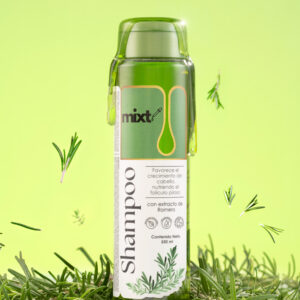
Shampoo Romero
El precio original era: $40999.$39999El precio actual es: $39999. Añadir al carrito -
Cosmetica
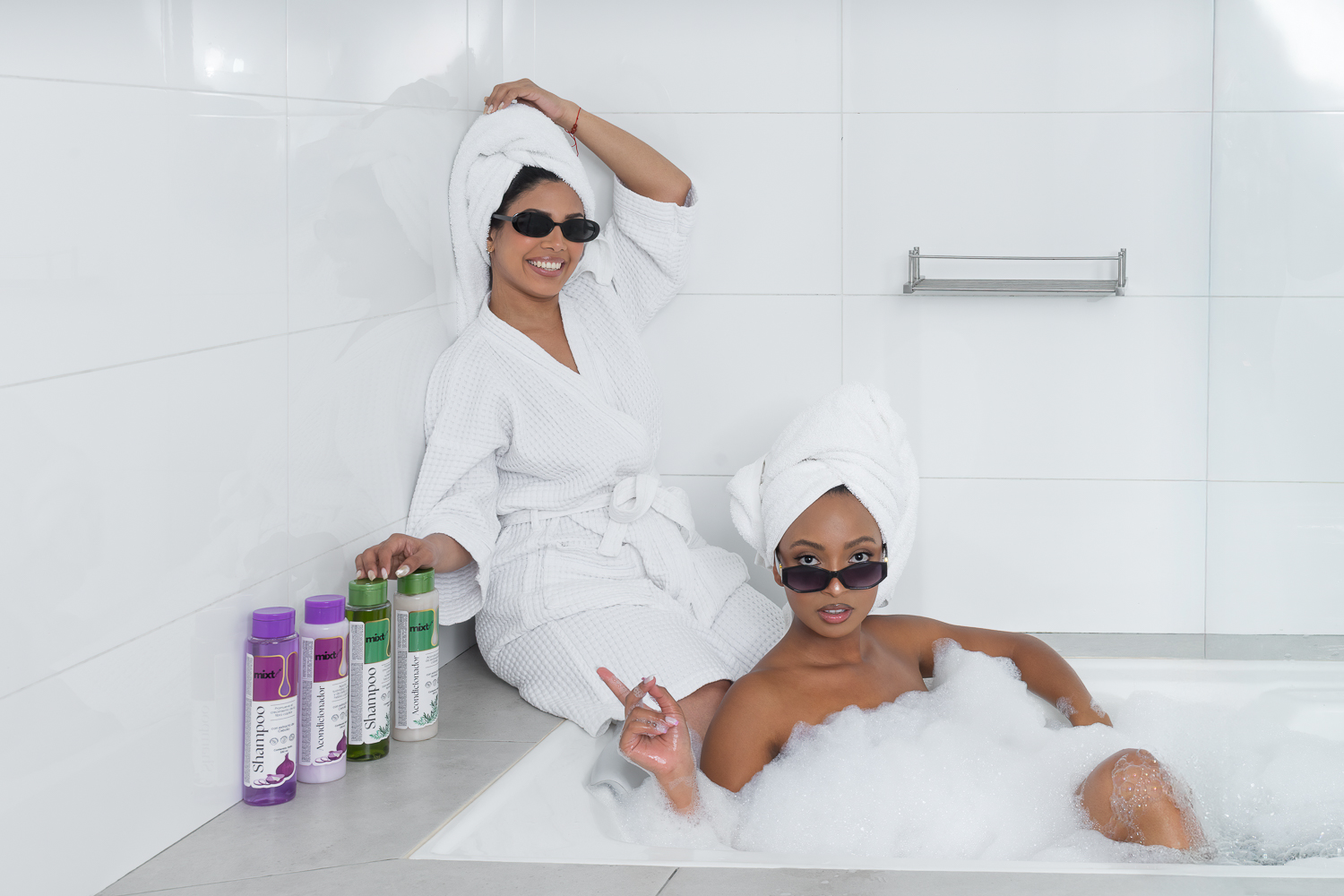
Shampoo Cebolla
El precio original era: $43999.$38999El precio actual es: $38999. Añadir al carrito -
Cosmetica
Kit Romero (Shampoo y Acondicionador)
El precio original era: $80900.$65900El precio actual es: $65900. Añadir al carrito